


Items filtered by date: December 2024
Diabetic Foot Care
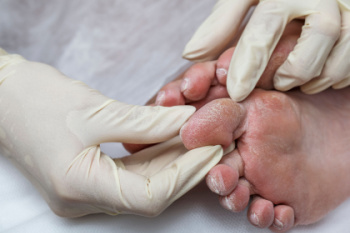
Caring for diabetic feet is essential to avoid complications like infections or ulcers. Begin by inspecting your feet daily for cuts, blisters, or changes in color, especially if you have reduced sensation due to neuropathy. Wash your feet with warm water and mild soap, ensuring thorough drying, particularly between toes. Moisturize to prevent cracking, but avoid applying lotion between the toes to minimize infection risk. Wear well-fitting, protective shoes and socks designed for diabetic patients to reduce pressure and prevent injuries. Trim toenails straight across to avoid ingrown nails. Control blood sugar levels to enhance circulation and promote healing. Avoid walking barefoot, even at home, to prevent unnoticed injuries. If you have diabetes and foot issues arise or are in need of preventive guidance, it is suggested that you schedule regular check-ups with a podiatrist. This foot specialist can assess your foot health, offer personalized advice, and help you maintain optimal care.
Diabetic foot care is important in preventing foot ailments such as ulcers. If you are suffering from diabetes or have any other concerns about your feet, contact our podiatrists from CNY Foot Surgery & Podiatry Care. Our doctors can provide the care you need to keep you pain-free and on your feet.
Diabetic Foot Care
Diabetes affects millions of people every year. The condition can damage blood vessels in many parts of the body, especially the feet. Because of this, taking care of your feet is essential if you have diabetes, and having a podiatrist help monitor your foot health is highly recommended.
The Importance of Caring for Your Feet
- Routinely inspect your feet for bruises or sores.
- Wear socks that fit your feet comfortably.
- Wear comfortable shoes that provide adequate support.
Patients with diabetes should have their doctor monitor their blood levels, as blood sugar levels play such a huge role in diabetic care. Monitoring these levels on a regular basis is highly advised.
It is always best to inform your healthcare professional of any concerns you may have regarding your feet, especially for diabetic patients. Early treatment and routine foot examinations are keys to maintaining proper health, especially because severe complications can arise if proper treatment is not applied.
If you have any questions please feel free to contact our office located in East Syracuse, NY . We offer the newest diagnostic and treatment technologies for all your foot and ankle needs.
Hammertoe Facts
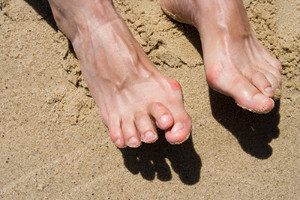
Hammertoe is a deformity where one or more toes bend abnormally at the middle joint, causing them to resemble a hammer. This condition can be caused by several factors, including wearing tight or ill-fitting shoes that force the toes into unnatural positions. Over time, the muscles and tendons in the toe become imbalanced, leading to the deformity. Other causes include injury, arthritis, and genetic predisposition. Symptoms of hammertoe include pain or discomfort in the affected toes, especially when wearing shoes or walking for long periods. The toes may become stiff and difficult to straighten, and in some cases, corns or calluses can form on the tops or tips of the toes due to pressure. If you have symptoms of hammertoe, it is suggested that you consult a podiatrist who can offer you effective relief and treatment solutions.
Hammertoes can be a painful condition to live with. For more information, contact our podiatrists of CNY Foot Surgery & Podiatry Care. Our doctors will answer any of your foot- and ankle-related questions.
Hammertoe
Hammertoe is a foot deformity that occurs due to an imbalance in the muscles, tendons, or ligaments that normally hold the toe straight. It can be caused by the type of shoes you wear, your foot structure, trauma, and certain disease processes.
Symptoms
- Painful and/or difficult toe movement
- Swelling
- Joint stiffness
- Calluses/Corns
- Physical deformity
Risk Factors
- Age – The risk of hammertoe increases with age
- Sex – Women are more likely to have hammertoe compared to men
- Toe Length – You are more likely to develop hammertoe if your second toe is longer than your big toe
- Certain Diseases – Arthritis and diabetes may make you more likely to develop hammertoe
Treatment
If you have hammertoe, you should change into a more comfortable shoe that provides enough room for your toes. Exercises such as picking up marbles may strengthen and stretch your toe muscles. Nevertheless, it is important to seek assistance from a podiatrist in order to determine the severity of your hammertoe and see which treatment option will work best for you.
If you have any questions, please feel free to contact our office located in East Syracuse, NY . We offer the newest diagnostic and treatment technologies for all your foot care needs.
Understanding Foot Cramps
Foot cramps are sudden, involuntary muscle contractions that can cause sharp, intense pain in the feet. These cramps are often caused by dehydration, imbalances in electrolytes like potassium or magnesium, or prolonged periods of standing or walking. Wearing ill-fitting shoes can also strain the muscles, leading to cramps. Overuse or excessive physical activity, especially without proper stretching beforehand, can trigger foot cramps as well. To find relief from foot cramps, gently stretching and massaging the affected foot can help relax the muscles. Ensuring proper hydration and consuming foods rich in essential minerals can help prevent cramps. If cramps are frequent, it may be helpful to review footwear choices and incorporate daily stretching into your routine. Foot cramps can be painful, and may hinder completing daily activities. If you have these types of cramps, it is suggested that you consult a podiatrist who can pinpoint the cause, and offer effective relief methods.
Foot Pain
Foot pain can be extremely painful and debilitating. If you have a foot pain, consult with our podiatrists from CNY Foot Surgery & Podiatry Care. Our doctors will assess your condition and provide you with quality foot and ankle treatment.
Causes
Foot pain is a very broad condition that could be caused by one or more ailments. The most common include:
- Bunions
- Hammertoes
- Plantar Fasciitis
- Bone Spurs
- Corns
- Tarsal Tunnel Syndrome
- Ingrown Toenails
- Arthritis (such as Gout, Rheumatoid, and Osteoarthritis)
- Flat Feet
- Injury (from stress fractures, broken toe, foot, ankle, Achilles tendon ruptures, and sprains)
- And more
Diagnosis
To figure out the cause of foot pain, podiatrists utilize several different methods. This can range from simple visual inspections and sensation tests to X-rays and MRI scans. Prior medical history, family medical history, and any recent physical traumatic events will all be taken into consideration for a proper diagnosis.
Treatment
Treatment depends upon the cause of the foot pain. Whether it is resting, staying off the foot, or having surgery; podiatrists have a number of treatment options available for foot pain.
If you have any questions, please feel free to contact our office located in East Syracuse, NY . We offer the newest diagnostic and treatment technologies for all your foot care needs.
Are Bunions Affecting Your Everyday Life?
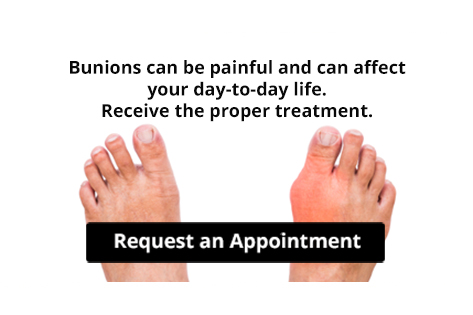
Have you noticed a bony protrusion on the side of your big toe? If so, you may have developed the foot condition known as a bunion. Don't let bunions interfere with your daily activities.
Benefits and Risks of Foot Fusion Surgery

Foot fusion surgery, medially termed arthrodesis, is a procedure that permanently fuses one or more joints in the foot to improve stability and relieve pain. Foot fusion surgery is often recommended for people with arthritis, severe flat feet, bunions, and certain fractures. By eliminating movement in the affected joints, foot fusion surgery can reduce pain and improve the alignment of the foot. However, it also results in a permanent loss of motion in the fused joint. Recovery can take up to six months of wearing a cast or protective boot to ensure proper healing. Patients who undergo foot fusion surgery will also need to perform a series of exercises to regain strength and maintain mobility. While the surgery is generally effective, potential risks include slow healing, swelling, or infections. A podiatrist plays a key role in evaluating whether this procedure is appropriate, based on the patient’s condition and overall health. If you are experiencing foot pain that may need surgery, it is suggested that you schedule an appointment with a podiatrist to discuss your options.
Foot surgery is sometimes necessary to treat a foot ailment. To learn more, contact our podiatrists of CNY Foot Surgery & Podiatry Care. Our doctors will assist you with all of your foot and ankle needs.
When Is Surgery Necessary?
Foot and ankle surgery is generally reserved for cases in which less invasive, conservative procedures have failed to alleviate the problem. Some of the cases in which surgery may be necessary include:
- Removing foot deformities like bunions and bone spurs
- Severe arthritis that has caused bone issues
- Cosmetic reconstruction
What Types of Surgery Are There?
The type of surgery you receive will depend on the nature of the problem you have. Some of the possible surgeries include:
- Bunionectomy for painful bunions
- Surgical fusion for realignment of bones
- Neuropathy decompression surgery to treat nerve damage
Benefits of Surgery
Although surgery is usually a last resort, it can provide more complete pain relief compared to non-surgical methods and may allow you to finally resume full activity.
Surgical techniques have also become increasingly sophisticated. Techniques like endoscopic surgery allow for smaller incisions and faster recovery times.
If you have any questions please feel free to contact our office located in East Syracuse, NY . We offer the newest diagnostic and treatment technologies for all your foot and ankle needs.
Myths About Orthotics for People with FSH Muscular Dystrophy
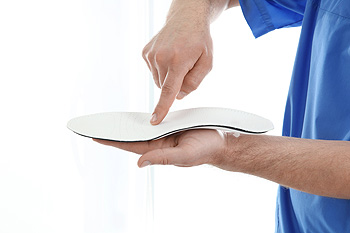
FSH muscular dystrophy, or facioscapulohumeral muscular dystrophy, is a genetic disorder that primarily weakens the muscles of the face, shoulders, and upper arms. Over time, it can also affect muscles in the feet, legs, abdomen, and hips. Symptoms often begin in adolescence or early adulthood, with progression and severity varying widely between individuals. Muscle weakness in FSH muscular dystrophy results from the gradual breakdown of muscle tissue, affecting mobility and balance. While there is no cure, treatments like custom orthotics can significantly improve function, reduce symptoms, and enhance quality of life. Many people with muscular dystrophy worry that orthotics might signal disability or be uncomfortable. This is a myth. Orthotics can support weakened muscles, reduce pain, enhance balance, and prevent falls. If you have a condition like FSH muscular dystrophy that affects strength and balance, it is suggested that you consult a podiatrist to discuss customized orthotics for your specific needs.
If you are having discomfort in your feet and would like to try orthotics, contact our podiatrists from CNY Foot Surgery & Podiatry Care. Our doctors can provide the care you need to keep you pain-free and on your feet.
What Are Orthotics?
Orthotics are inserts you can place into your shoes to help with a variety of foot problems such as flat feet or foot pain. Orthotics provide relief and comfort for minor foot and heel pain but can’t correct serious biomechanical problems in your feet.
Over-the-Counter Inserts
Orthotics come in a wide variety of over-the-counter inserts that are used to treat foot pain, heel pain, and minor problems. For example, arch supports can be inserted into your shoes to help correct overarched or flat feet, while gel insoles are often used because they provide comfort and relief from foot and heel pain by alleviating pressure.
Prescription Orthotics
If over-the-counter inserts don’t work for you or if you have a more severe foot concern, it is possible to have your podiatrist prescribe custom orthotics. These high-quality inserts are designed to treat problems such as abnormal motion, plantar fasciitis, and severe forms of heel pain. They can even be used to help patients suffering from diabetes by treating foot ulcers and painful calluses and are usually molded to your feet individually, which allows them to provide full support and comfort.
If you are experiencing minor to severe foot or heel pain, it’s recommended to speak with your podiatrist about the possibilities of using orthotics. A podiatrist can determine which type of orthotic is right for you and allow you to take the first steps towards being pain-free.
If you have any questions please contact our office located in East Syracuse, NY . We offer the newest diagnostic and treatment technologies for all your foot and ankle needs.
