Like us on facebook Follow us on twitter Review us on google

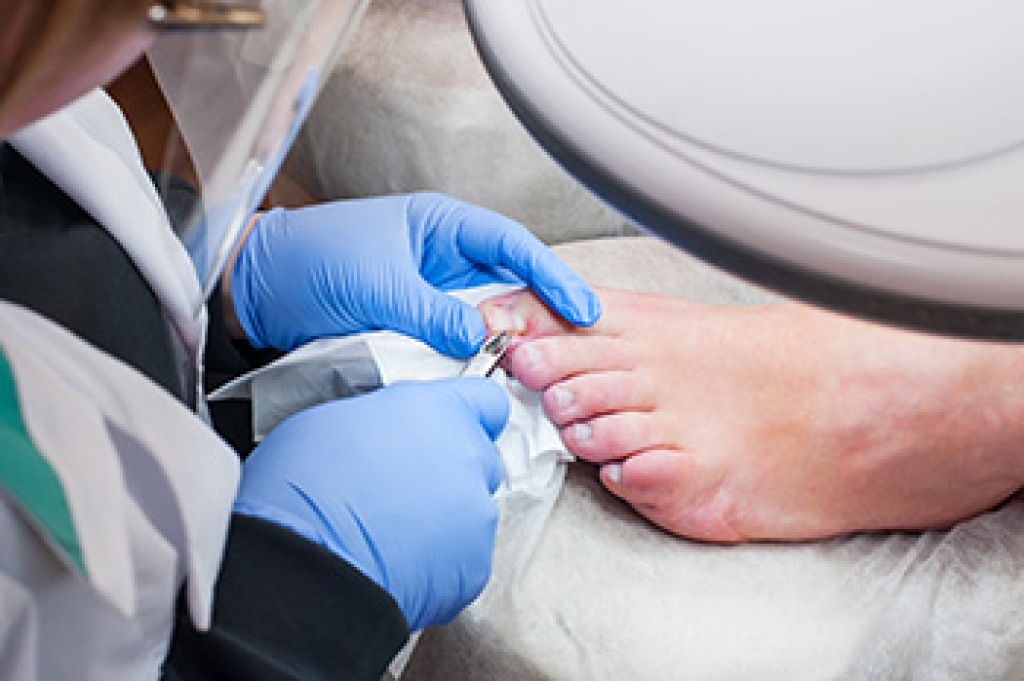
When an Ingrown Toenail Needs Surgery

An ingrown toenail develops when the edge of a toenail grows into the surrounding skin. This can cause pain, redness, and tenderness along the nail border. Drainage or infection may develop. Wearing tight shoes can press against the nail and worsen irritation. Walking may become uncomfortable, especially when the toe rubs against footwear. Other causes include cutting nails too short, rounding the corners, or having naturally curved nails. People who sweat heavily or put repeated pressure on the toes may also face greater risk.

Many ingrown toenails improve with early care, but surgery may be recommended when pain continues or the nail repeatedly grows into the skin. A podiatrist may suggest surgery when there is a significant infection, recurring inflammation, or a nail shape that makes conservative care unsuccessful. Surgery can provide longer-lasting relief by removing the portion of the nail causing the problem. It may make daily activities more comfortable.


During a nail procedure, the podiatrist first numbs the toe with a local anesthetic. For a partial nail avulsion, only the affected edge of the nail is carefully removed. This preserves the healthy portion. A complete nail avulsion removes the entire toenail and may be considered when the whole nail is causing problems. The podiatrist may also treat the nail root to reduce regrowth. The toe is then cleaned and covered with a dressing.


Healing usually involves keeping the toe clean and following the podiatrist's instructions for dressing changes. Wearing roomy shoes can reduce pressure while the toe heals. Avoiding unnecessary pressure can support recovery. Your podiatrist may also recommend limiting activities that place stress on the toe. If you have a painful ingrown toenail that needs surgery, it is suggested that you consult a podiatrist who can determine if this procedure is right for you. 

Foot surgery is sometimes necessary to treat a foot ailment. To learn more, contact our podiatrists of CNY Foot Surgery & Podiatry Care. Our doctors will assist you with all of your foot and ankle needs.

When Is Surgery Necessary?

Foot and ankle surgery is generally reserved for cases in which less invasive, conservative procedures have failed to alleviate the problem. Some of the cases in which surgery may be necessary include:

  • Removing foot deformities like bunions and bone spurs
  • Severe arthritis that has caused bone issues
  • Cosmetic reconstruction

What Types of Surgery Are There?

The type of surgery you receive will depend on the nature of the problem you have. Some of the possible surgeries include:

  • Bunionectomy for painful bunions
  • Surgical fusion for realignment of bones
  • Neuropathy decompression surgery to treat nerve damage

Benefits of Surgery

Although surgery is usually a last resort, it can provide more complete pain relief compared to non-surgical methods and may allow you to finally resume full activity.

Surgical techniques have also become increasingly sophisticated. Techniques like endoscopic surgery allow for smaller incisions and faster recovery times.

If you have any questions, please feel free to contact our office located in East Syracuse, NY . We offer the newest diagnostic and treatment technologies for all your foot care needs.
Read more about Foot Surgery

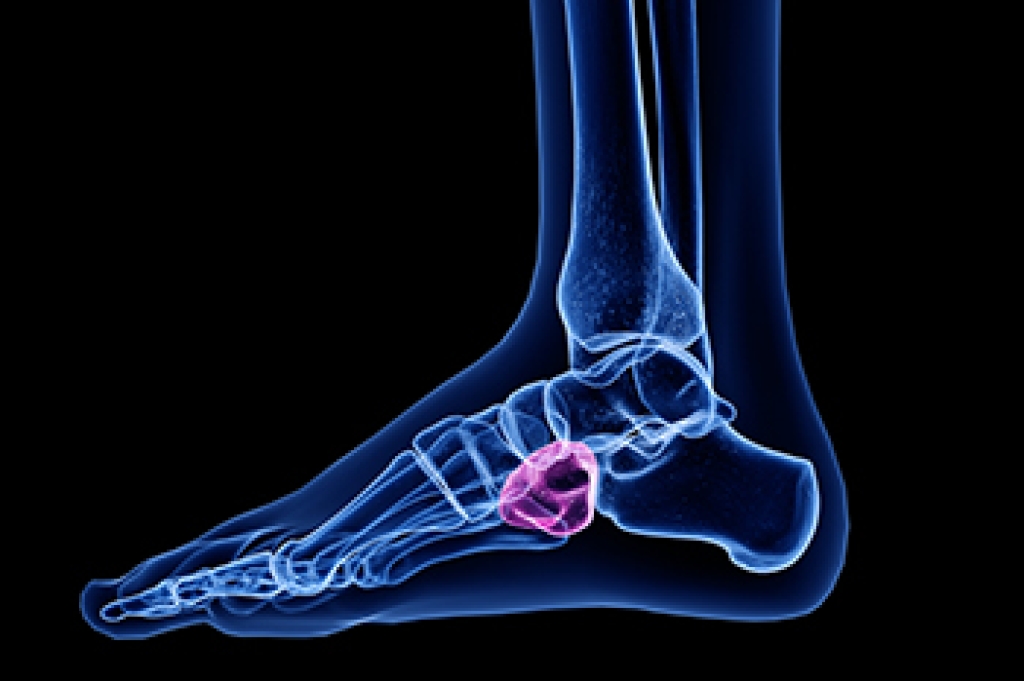
Cuboid Syndrome and Pain Along the Outer Foot

Cuboid syndrome is a possible cause of pain along the outer side of the foot. The cuboid is a small bone located in the middle and outer portion of the foot. It works with nearby joints and tissues to support movement and stability. Cuboid syndrome may occur when this bone and its surrounding joint do not move normally. It can develop after an ankle sprain or from repeated stress placed on the foot. Athletes may be especially affected because running and jumping can place repeated forces on this area. Pain can sometimes be difficult to identify because cuboid syndrome may resemble other causes of lateral foot pain.


Symptoms often include aching or tenderness along the outside of the midfoot. Pain may become more noticeable while standing, walking, or pushing off the foot. Some people develop swelling or experience discomfort that extends toward nearby areas. The condition may also change the way a person walks because placing normal pressure on the foot becomes painful. Cuboid syndrome can occur after an ankle injury, even when the original ankle symptoms begin to improve. There is no single test that confirms every case, so a careful examination is important. Other problems, including fractures and tendon injuries, may need to be ruled out before treatment begins.


A podiatrist can evaluate lateral foot pain and determine whether cuboid syndrome or another condition may be responsible. The examination may include checking foot movement, areas of tenderness, and walking patterns. Imaging may be used when another injury needs to be ruled out. If cuboid syndrome is diagnosed, podiatric treatment can focus on restoring comfortable joint function and addressing factors that place added stress on the foot. Treatment is based on the patient’s symptoms and the cause of the problem. If persistent outer foot pain or difficulty walking is affecting your mobility, it is suggested that you consult a podiatrist for an evaluation and appropriate treatment options.

Cuboid syndrome, also known as cuboid subluxation, occurs when the joints and ligaments near the cuboid bone in the foot become torn. If you have cuboid syndrome, consult with our podiatrists from CNY Foot Surgery & Podiatry Care. Our doctors will assess your condition and provide you with quality foot and ankle treatment.

Cuboid syndrome is a common cause of lateral foot pain, which is pain on the outside of the foot. The condition may happen suddenly due to an ankle sprain, or it may develop slowly overtime from repetitive tension through the bone and surrounding structures.

Causes

The most common causes of cuboid syndrome include:

  • Injury – The most common cause of this ailment is an ankle sprain.
  • Repetitive Strain – Tension placed through the peroneus longus muscle from repetitive activities such as jumping and running may cause excessive traction on the bone causing it to sublux.
  • Altered Foot Biomechanics – Most people suffering from cuboid subluxation have flat feet.

Symptoms

A common symptom of cuboid syndrome is pain along the outside of the foot which can be felt in the ankle and toes. This pain may create walking difficulties and may cause those with the condition to walk with a limp.

Diagnosis

Diagnosis of cuboid syndrome is often difficult, and it is often misdiagnosed. X-rays, MRIs and CT scans often fail to properly show the cuboid subluxation. Although there isn’t a specific test used to diagnose cuboid syndrome, your podiatrist will usually check if pain is felt while pressing firmly on the cuboid bone of your foot.

Treatment

Just as the range of causes varies widely, so do treatments. Some more common treatments are ice therapy, rest, exercise, taping, and orthotics.

If you have any questions, please feel free to contact our office located in East Syracuse, NY . We offer the newest diagnostic and treatment technologies for all your foot care needs.

Read more about Cuboid Syndrome

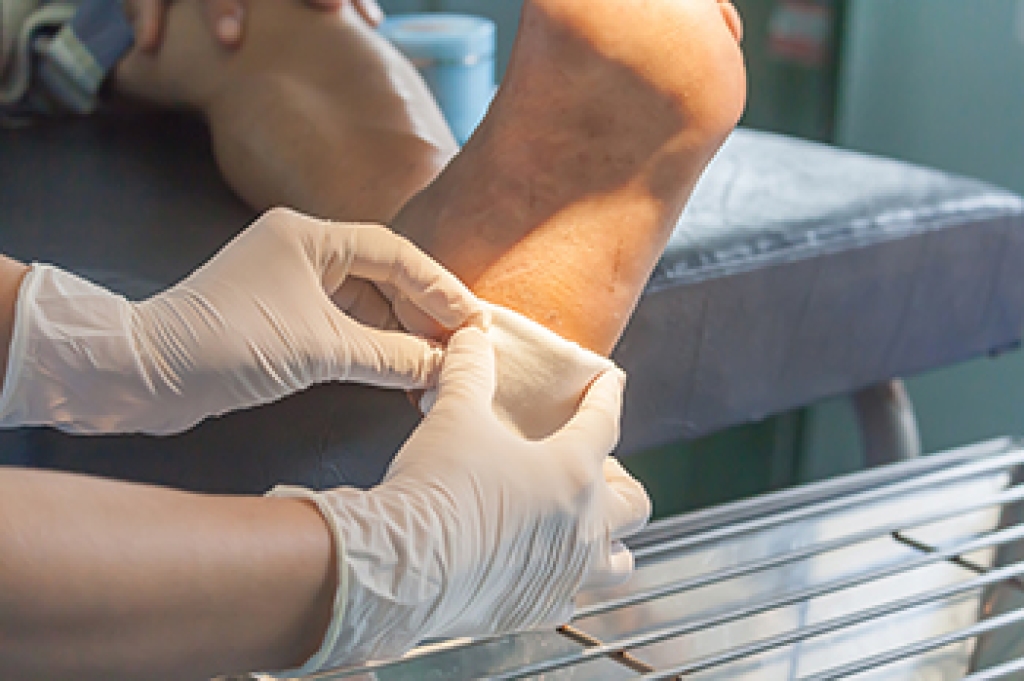
How Podiatrists Treat Pressure Injuries on the Feet

Foot wounds require attention because a small wound can become a health concern. Pressure injuries on the feet develop when pressure limits the flow of oxygen and nutrients to the skin and deeper tissues. They are more likely in patients who spend long periods in a bed or chair, have limited movement, or are weakened by illness. Bony areas of the foot are vulnerable because tissue can become trapped between bone and a firm surface. Diabetes, poor circulation, and reduced feeling can raise the risk and make a wound harder to notice.

Several forces can contribute to skin damage. Shearing happens when the skin stays in place while deeper tissue shifts, as when a patient slides down in a bed or chair. This movement squeezes blood vessels and becomes more damaging when combined with pressure. Friction from rubbing can weaken the skin, although friction alone does not cause a pressure injury. Excess moisture can also make skin fragile and more likely to break down. Poor nutrition slows the repair of damaged cells. Weight loss can reduce the natural padding that protects the bones of the feet.

A podiatrist can examine the wound, measure its depth, and check skin for infection. The evaluation also includes testing circulation and sensation in the feet. Treatment can include cleaning the wound, removing damaged tissue, and applying a protective dressing. A podiatrist can reduce pressure on the affected area with padding, special shoes, or a custom device. Follow-up visits allow the podiatrist to track healing and adjust the treatment plan. Patients should seek prompt care for spreading redness, increasing swelling, or drainage. Fever, darkened tissue, or a bad odor can signal a serious problem. Early podiatric care can lower the risk of infection, deeper tissue damage, and limb loss. If you have symptoms of pressure injuries on the feet, it is suggested that you schedule an appointment with a podiatrist for a diagnosis and appropriate treatment.

Wound care is an important part in dealing with diabetes. If you have diabetes and a foot wound or would like more information about wound care for diabetics, consult with our podiatrists from CNY Foot Surgery & Podiatry Care. Our doctors will assess your condition and provide you with quality foot and ankle treatment.

What Is Wound Care?

Wound care is the practice of taking proper care of a wound. This can range from the smallest to the largest of wounds. While everyone can benefit from proper wound care, it is much more important for diabetics. Diabetics often suffer from poor blood circulation which causes wounds to heal much slower than they would in a non-diabetic. 

What Is the Importance of Wound Care?

While it may not seem apparent with small ulcers on the foot, for diabetics, any size ulcer can become infected. Diabetics often also suffer from neuropathy, or nerve loss. This means they might not even feel when they have an ulcer on their foot. If the wound becomes severely infected, amputation may be necessary. Therefore, it is of the upmost importance to properly care for any and all foot wounds.

How to Care for Wounds

The best way to care for foot wounds is to prevent them. For diabetics, this means daily inspections of the feet for any signs of abnormalities or ulcers. It is also recommended to see a podiatrist several times a year for a foot inspection. If you do have an ulcer, run the wound under water to clear dirt from the wound; then apply antibiotic ointment to the wound and cover with a bandage. Bandages should be changed daily and keeping pressure off the wound is smart. It is advised to see a podiatrist, who can keep an eye on it.

If you have any questions please contact our office located in East Syracuse, NY . We offer the newest diagnostic and treatment technologies for all your foot and ankle needs.

Read more about Wound Care

Are Bunions Affecting Your Everyday Life?

Have you noticed a bony protrusion on the side of your big toe? If so, you may have developed the foot condition known as a bunion. Don't let bunions interfere with your daily activities.

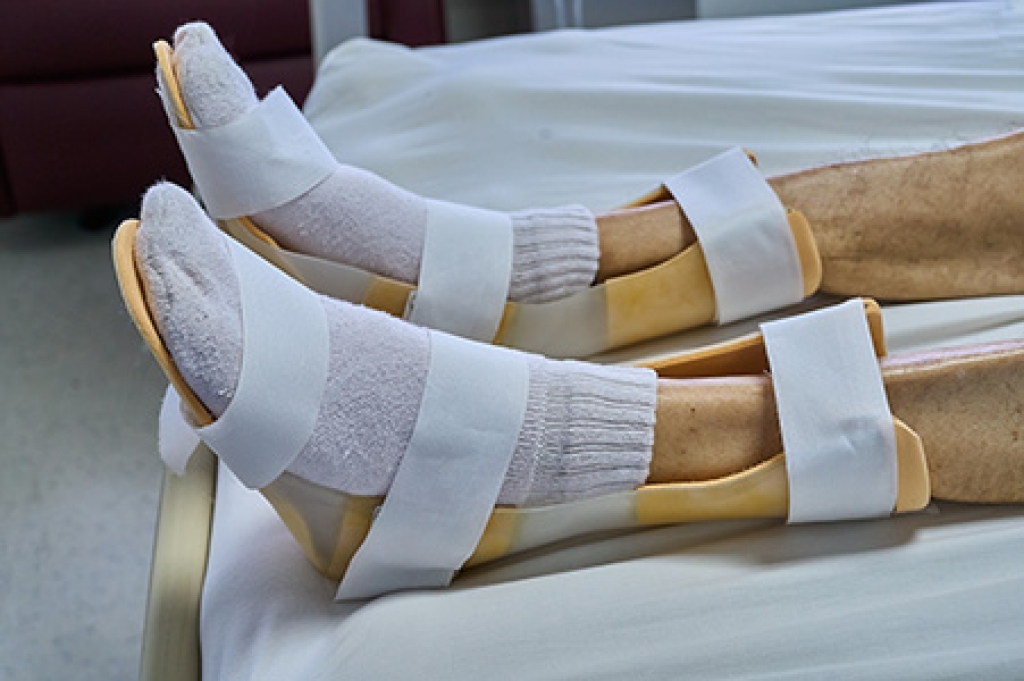
Night Splints Can Ease Morning Heel Pain

Night splints can reduce morning heel pain caused by plantar fasciitis or a tight Achilles tendon. While a person sleeps, the feet usually point downward. This position allows the plantar fascia, a strong band along the bottom of the foot, and the calf muscles to shorten. When the person stands, these tissues stretch suddenly and can hurt. A night splint holds the foot at a gentle upward angle, keeping these areas stretched through the night. This can make the first steps of the day less painful.

The effectiveness of a night splint depends on the cause of pain and consistent use. Research suggests that splints help some patients with plantar fasciitis, especially when symptoms have lasted several months. However, they do not provide the same relief for everyone. Comfort also affects success. A splint that feels bulky, hot, or too tight can disturb sleep and be difficult to use regularly. Designs include rigid boots, softer braces, and straps that pull the toes upward. A podiatrist can recommend a suitable style and check that it holds the foot correctly without placing too much pressure on the skin.

A night splint works best as one part of a treatment plan. A podiatrist can examine the foot, identify the source of pain, and determine whether a splint is appropriate. Treatment also includes custom orthotics, wearing supportive shoes, or activity changes. The podiatrist can adjust the splint angle and explain how long it should be used each night. Numbness, worsening pain, or skin irritation should not be ignored. People with diabetes, poor circulation, or a reduced feeling in their feet need professional guidance before using one. Night splints require patience and consistent use, but they can offer meaningful relief for selected patients. If you have foot pain, it is suggested that you schedule an appointment with a podiatrist who can determine if night splints are right for you.

Many people suffer from bouts of heel pain. For more information, contact our podiatrists of CNY Foot Surgery & Podiatry Care. Our doctors can provide the care you need to keep you pain-free and on your feet.

Causes of Heel Pain

Heel pain is often associated with plantar fasciitis. The plantar fascia is a band of tissues that extends along the bottom of the foot. A rip or tear in this ligament can cause inflammation of the tissue.

Achilles tendonitis is another cause of heel pain. Inflammation of the Achilles tendon will cause pain from fractures and muscle tearing. Lack of flexibility is also another symptom.

Heel spurs are another cause of pain. When the tissues of the plantar fascia undergo a great deal of stress, it can lead to ligament separation from the heel bone, causing heel spurs.

Why Might Heel Pain Occur?

  • Wearing ill-fitting shoes                
  • Wearing non-supportive shoes
  • Weight change           
  • Excessive running

Treatments

Heel pain should be treated as soon as possible for immediate results. Keeping your feet in a stress-free environment will help. If you suffer from Achilles tendonitis or plantar fasciitis, applying ice will reduce the swelling. Stretching before an exercise like running will help the muscles. Using all these tips will help make heel pain a condition of the past.

If you have any questions, please feel free to contact our office located in East Syracuse, NY . We offer the newest diagnostic and treatment technologies for all your foot care needs.
Read more about Heel Pain
scroll to top