
Like us on facebook Follow us on twitter Review us on google

What Causes Stress Fractures in the Feet?

Stress fractures are small cracks in bones that develop from repeated force rather than one sudden injury. They frequently affect weight-bearing bones in the feet and lower legs. Runners and athletes can develop these injuries, but anyone who places repeated stress on the feet can be affected. A sudden increase in exercise can raise the risk of a stress fracture. Changes in training surfaces can also place added strain on bones. Pain usually develops gradually and becomes more noticeable with weight-bearing activity. Swelling and tenderness can occur around the injured area.

Stress fractures can affect several bones in the foot. The metatarsals, which are the long bones behind the toes, are frequent sites of these injuries. Stress fractures can also occur in the heel and other foot bones. Weak bones can make a person more likely to develop a fracture from repeated stress. Pain can become more severe when the injury is not properly treated. Continuing activities that place pressure on the injured bone can interfere with healing. Because other foot problems can cause similar symptoms, an accurate diagnosis is important before treatment begins.

A podiatrist can evaluate a suspected stress fracture by examining the painful area and reviewing recent changes in physical activity. Imaging tests can help identify the injury, although some stress fractures are difficult to see on early X-rays. Treatment focuses on reducing pressure on the injured bone so it can heal properly. A podiatrist can use protective devices to limit stress on the foot and recommend appropriate changes in activity. Prompt care can reduce the risk of the crack becoming larger or healing incorrectly. If you have symptoms of a stress fracture, it is suggested that you schedule an appointment with a podiatrist for a diagnosis and appropriate treatment.

Stress fractures occur when there is a tiny crack within a bone. To learn more, contact our podiatrists from CNY Foot Surgery & Podiatry Care. Our doctors can provide the care you need to keep you pain free and on your feet.

How Are They Caused?

Stress fractures are the result of repetitive force being placed on the bone. Since the lower leg and feet often carry most of the body’s weight, stress fractures are likely to occur in these areas. If you rush into a new exercise, you are more likely to develop a stress fracture since you are starting too much, too soon.  Pain resulting from stress fractures may go unnoticed at first, however it may start to worsen over time.

Risk Factors

  • Gender – They are more commonly found in women compared to men.
  • Foot Problems – People with unusual arches in their feet are more likely to develop stress fractures.
  • Certain Sports – Dancers, gymnasts, tennis players, runners, and basketball players are more likely to develop stress fractures.
  • Lack of Nutrients – A lack of vitamin D and calcium may weaken the bones and make you more prone to stress fractures
  • Weak Bones – Osteoporosis can weaken the bones therefore resulting in stress fractures

Stress fractures do not always heal properly, so it is important that you seek help from a podiatrist if you suspect you may have one. Ignoring your stress fracture may cause it to worsen, and you may develop chronic pain as well as additional fractures.

If you have any questions please contact our office located in East Syracuse, NY . We offer the newest diagnostic and treatment technologies for all your foot and ankle needs.

Read more about Stress Fractures of the Foot and Ankle

Toenail Avulsion Surgery Can Bring Lasting Relief

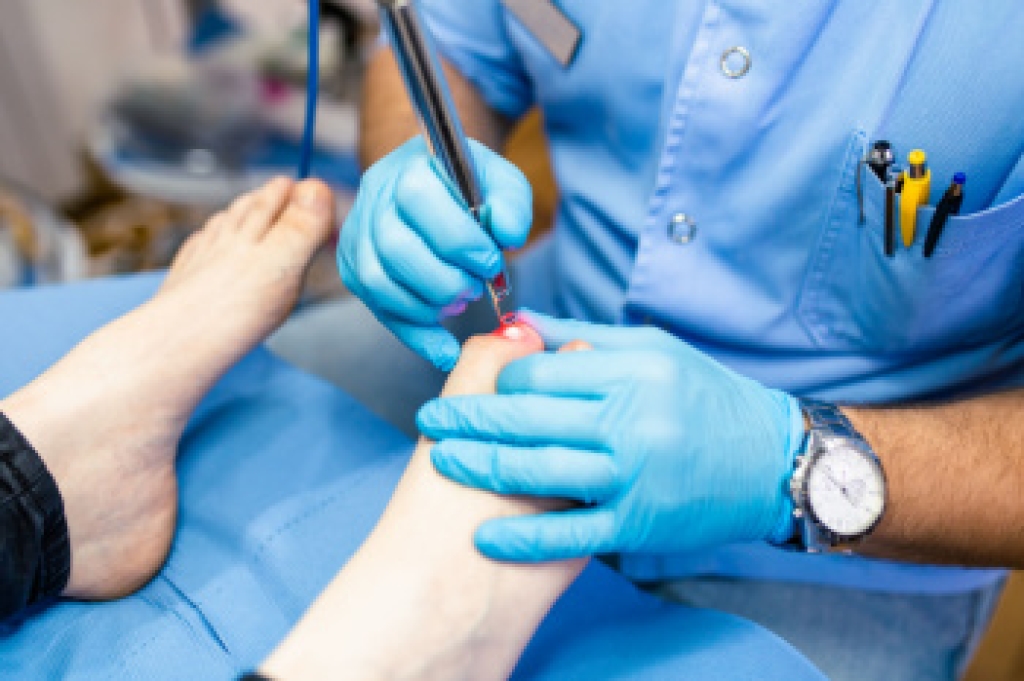
Toenail avulsion surgery removes part or all of a damaged or painful toenail. A podiatrist recommends this procedure when a nail causes repeated pain, grows into the surrounding skin, or becomes badly damaged. Surgery also helps when part of the nail keeps returning after previous treatment. Depending on the problem, the podiatrist removes only the affected section or the entire nail. In some cases, the small area that produces the nail is treated to reduce the chance of that section growing back.

Before surgery, the toe is carefully examined by a podiatrist. The area is numbed before the nail is removed, helping patients stay comfortable throughout the procedure. The nail is lifted with special instruments designed to protect the surrounding skin. After the nail is removed, the podiatrist checks the nail bed for hidden damage, infection, or abnormal tissue. The nail bed is the skin beneath the nail that supports healthy nail growth. The toe is then covered with a protective dressing before patients leave the office. Follow-up visits allow the podiatrist to monitor healing, watch for problems, and decide when normal activities can safely resume.

Toenail avulsion surgery can relieve ongoing discomfort and prevent repeated nail problems from interfering with daily life. Patients usually notice improved comfort while walking after the painful nail has been removed. A podiatrist also discusses whether future nail growth is expected or whether the treated section is intended to remain permanently absent. Prompt evaluation also allows other nail conditions to be identified before they become more serious. Early treatment can also improve shoe comfort and reduce pressure on nearby skin. It can also restore confidence when standing, walking, and participating in everyday activities without ongoing pain. If you have a toenail that has become painful, it is suggested that you schedule an appointment with a podiatrist to see if avulsion surgery is right for you.

Foot surgery is sometimes necessary to treat a foot ailment. To learn more, contact our podiatrists of CNY Foot Surgery & Podiatry Care. Our doctors will assist you with all of your foot and ankle needs.

When Is Surgery Necessary?

Foot and ankle surgery is generally reserved for cases in which less invasive, conservative procedures have failed to alleviate the problem. Some of the cases in which surgery may be necessary include:

  • Removing foot deformities like bunions and bone spurs
  • Severe arthritis that has caused bone issues
  • Cosmetic reconstruction

What Types of Surgery Are There?

The type of surgery you receive will depend on the nature of the problem you have. Some of the possible surgeries include:

  • Bunionectomy for painful bunions
  • Surgical fusion for realignment of bones
  • Neuropathy decompression surgery to treat nerve damage

Benefits of Surgery

Although surgery is usually a last resort, it can provide more complete pain relief compared to non-surgical methods and may allow you to finally resume full activity.

Surgical techniques have also become increasingly sophisticated. Techniques like endoscopic surgery allow for smaller incisions and faster recovery times.

If you have any questions, please feel free to contact our office located in East Syracuse, NY . We offer the newest diagnostic and treatment technologies for all your foot care needs.
Read more about Foot and Ankle Surgery

Are You Suffering From Ingrown Toenails?

If left untreated, an ingrown toenail can lead to more serious concerns, such as an infection. Knowing proper nail care can help in the prevention of an ingrown toenail. Give us a call, and get treated!

Cracked Heels Symptoms and Treatment

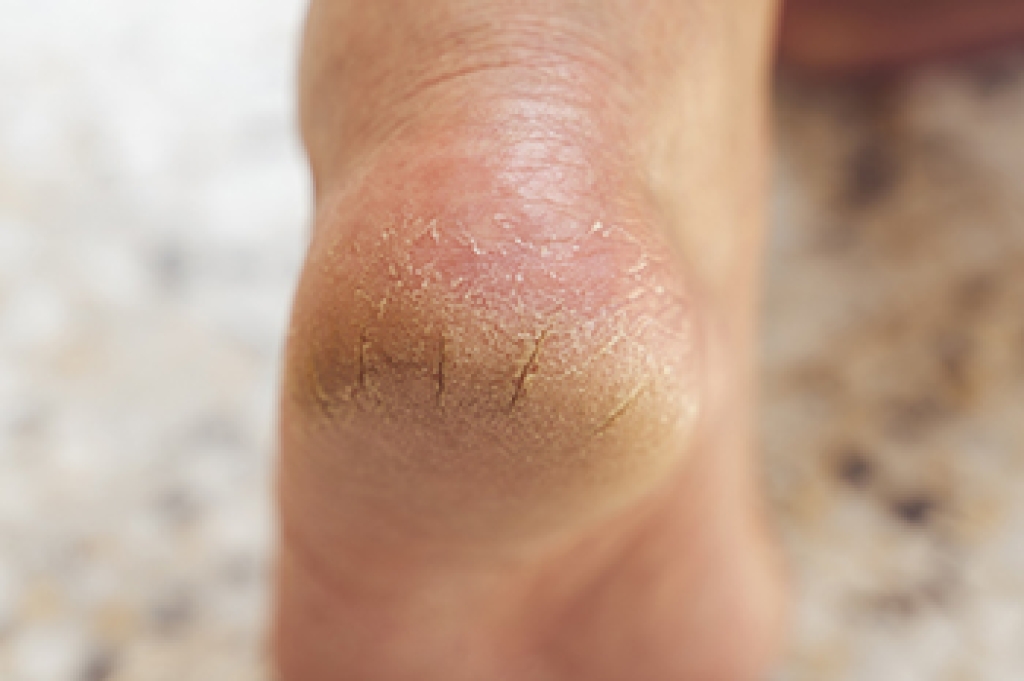
Cracked heels develop when the skin around the heel becomes dry, thick, and less flexible. Some cracks remain shallow, while others become deeper and make daily activities uncomfortable.  As pressure is placed on the heel during standing and walking, the skin may split, creating painful cracks known as fissures. Common symptoms of cracked heels include dry skin, rough patches, and heel pain. In more severe cases, the cracks may bleed or become irritated. People who spend long periods standing or have certain medical conditions may have a greater risk of developing cracked heels. Because untreated cracks can worsen, a professional evaluation is important to determine the severity of the condition and recommend appropriate treatment.


Cracked heels can affect more than comfort. Deep fissures may make walking painful and increase the risk of infection if the skin barrier is damaged. Ongoing heel pain may also change the way a person walks, placing extra stress on the ankles, knees, and hips. This altered movement can contribute to discomfort in other parts of the lower body. A thorough podiatry evaluation helps identify the underlying cause of cracked heels and determine whether additional foot conditions are contributing to the problem. Early diagnosis supports more effective treatment and helps prevent complications.


A podiatrist specializes in diagnosing and treating cracked heels while addressing the factors that contribute to the condition. Professional treatment focuses on reducing discomfort, improving skin health, and restoring normal foot function. A podiatrist also evaluates foot structure and walking mechanics to identify issues that may place excessive pressure on the heels. Early podiatry care can help prevent deeper cracks and reduce the risk of long-term complications. If cracked heels are causing pain or making it difficult to walk comfortably, it is suggested that you consult a podiatrist for an evaluation and appropriate treatment options.

Cracked heels are unsightly and can cause further damage to your shoes and feet. If you have any concerns, contact our podiatrists from CNY Foot Surgery & Podiatry Care. Our doctors can provide the care you need to keep you pain-free and on your feet.

Cracked Heels

Cracked heels appear unappealing and can make it harder for you walk around in sandals. Aside from looking unpleasant, cracked heels can also tear stockings, socks, and wear out your shoes. There are several methods to help restore a cracked heel and prevent further damage.

How Do You Get Them?

Dry skin is the number one culprit in creating cracked heels. Many athletes, walkers, joggers, and even swimmers suffer from cracked heels. Age and skin oil production play a role to getting cracked heels as well.

Promote Healing

Over the counter medicines can help, especially for those that need instant relief or who suffer from chronic dry feet.

Wear Socks – Wearing socks with medicated creams helps lock in moisture.

Moisturizers – Applying both day and night will help alleviate dryness which causes cracking.

Pumice Stones – These exfoliate and remove dead skin, which allows for smoother moisturizer application and better absorption into the skin. 

Change in Diet

Eating healthy with a well-balanced diet will give the skin a fresh and radiant look. Your body responds to the kinds of food you ingest. Omega-3 fatty acids and zinc supplements can also revitalize skin tissue.

Most importantly, seek professional help if unsure how to proceed in treating cracked heels. A podiatrist will help you with any questions or information needed. 

If you have any questions, please feel free to contact our office located in East Syracuse, NY . We offer the newest diagnostic and treatment technologies for all your foot care needs.

Read more about Solutions for Cracked Heels

Top-of-Foot Pain Causes and Treatment

Pain on the top of the foot can feel sharp, dull, or burning. It can appear while walking, running, or standing still. Because many bones, joints, and tendons lie near the upper surface, the source of the pain is not always obvious. Nearby nerves can also be a factor. Shoes tied too tightly can cause pressure, but pain can also indicate an injury or another foot problem. Swelling, tenderness, or redness can offer clues. Pain that starts suddenly, follows an injury, or makes it hard to bear weight deserves prompt attention.

Possible causes include a stress fracture, tendon irritation, or a ganglion cyst. A stress fracture is a tiny crack in a bone, usually caused by repeated force or a sudden increase in activity. Tendon irritation can develop after running on uneven ground or placing repeated strain on the foot. A ganglion cyst is a fluid-filled lump near a joint or tendon. Arthritis can also cause upper-foot pain when joints become worn and inflamed. In younger patients, two foot bones can sometimes grow together, which limits motion and causes stiffness. Direct trauma, wearing poorly fitting shoes, and footwear that lacks proper support can also lead to pain.

A podiatrist can examine the painful area, watch how you stand and walk, and check the foot's range of motion. Imaging can reveal a fracture, joint damage, or an unusual connection between bones. Treatment depends on the cause and can include a brace, custom shoe inserts, or changes in activity. A podiatrist can also drain certain cysts or recommend surgery when a serious problem does not respond to other care. Early diagnosis can keep a minor injury from becoming harder to treat and help you return to daily activities safely. If you have pain on the top of the foot, it is suggested that you schedule an appointment with a podiatrist for a diagnosis and appropriate treatment.

Foot Pain

Foot pain can be extremely painful and debilitating. If you have a foot pain, consult with our podiatrists from CNY Foot Surgery & Podiatry Care. Our doctors will assess your condition and provide you with quality foot and ankle treatment.

Causes

Foot pain is a very broad condition that could be caused by one or more ailments. The most common include:

  • Bunions
  • Hammertoes
  • Plantar Fasciitis
  • Bone Spurs
  • Corns
  • Tarsal Tunnel Syndrome
  • Ingrown Toenails
  • Arthritis (such as Gout, Rheumatoid, and Osteoarthritis)
  • Flat Feet
  • Injury (from stress fractures, broken toe, foot, ankle, Achilles tendon ruptures, and sprains)
  • And more

Diagnosis

To figure out the cause of foot pain, podiatrists utilize several different methods. This can range from simple visual inspections and sensation tests to X-rays and MRI scans. Prior medical history, family medical history, and any recent physical traumatic events will all be taken into consideration for a proper diagnosis.

Treatment

Treatment depends upon the cause of the foot pain. Whether it is resting, staying off the foot, or having surgery; podiatrists have a number of treatment options available for foot pain.

If you have any questions, please feel free to contact our office located in East Syracuse, NY . We offer the newest diagnostic and treatment technologies for all your foot care needs.
Read more about Foot Pain
scroll to top