Like us on facebook Follow us on twitter Review us on google

Understanding Sever’s Disease in Growing Children

Sever’s disease, also known as calcaneal apophysitis, is a common cause of heel pain in growing children and adolescents, especially those who are active in sports. It occurs when the growth plate in the heel becomes irritated due to repetitive stress or excessive impact. Symptoms often include heel pain during or after activity, tenderness when the heel is squeezed, limping, or difficulty walking barefoot. The affected area may appear slightly swollen or red, and the pain often worsens with running or jumping. Causes include rapid growth spurts, tight calf muscles, improper footwear, or overtraining. A podiatrist can diagnose Sever’s disease through a physical exam, gait analysis, and discussion of activity levels. Treatment focuses on reducing inflammation and relieving pressure through rest, supportive shoes, heel cups, or orthotics. Early management helps prevent recurring pain and allows children to stay active safely. It is suggested that you make an appointment with a podiatrist if your child experiences heel pain.

Sever's disease often occurs in children and teens. If your child is experiencing foot or ankle pain, see our podiatrists from CNY Foot Surgery & Podiatry Care. Our doctors can treat your child’s foot and ankle needs.

Sever’s Disease

Sever’s disease is also known as calcaneal apophysitis, which is a medical condition that causes heel pain I none or both feet. The disease is known to affect children between the ages of 8 and 14.

Sever’s disease occurs when part of the child’s heel known as the growth plate (calcaneal epiphysis) is attached to the Achilles tendon. This area can suffer injury when the muscles and tendons of the growing foot do not keep pace with bone growth. Therefore, the constant pain which one experiences at the back of the heel will make the child unable to put any weight on the heel. The child is then forced to walk on their toes.

Symptoms

Acute pain – Pain associated with Sever’s disease is usually felt in the heel when the child engages in physical activity such as walking, jumping and or running.

Highly active – Children who are very active are among the most susceptible in experiencing Sever’s disease, because of the stress and tension placed on their feet.

If you have any questions, please feel free to contact our office located in East Syracuse, NY . We offer the newest diagnostic and treatment technologies for all your foot care needs.

Read more about Sever's Disease

How Corns and Calluses Differ

Corns and calluses both develop when the skin on the feet is exposed to repeated pressure, but they are not the same. A corn is a small, cone-shaped bump that often appears on the top of a toe, usually over a joint, and it can feel sore when touched. Corns between the toes are softer because the skin stays moist in that area. A callus is a wider, flatter patch of thick skin that often forms on the ball of the foot or the sides of the feet where weight and rubbing increase. Calluses rarely hurt unless they become very thick. A podiatrist can tell the difference by looking at the size, shape, and location of the hardened skin. Treatment options for a painful corn include reducing pressure on the toe, removing the hardened center, and safely trimming the thickened skin. If you have a painful corn on your foot, it is suggested that you schedule an appointment with a podiatrist for a diagnosis and safe, sterile treatment.

Corns can make walking very painful and should be treated immediately. If you have questions regarding your feet and ankles, contact our podiatrists of CNY Foot Surgery & Podiatry Care. Our doctors will treat your foot and ankle needs.

Corns: What Are They? And How Do You Get Rid of Them?
Corns are thickened areas on the skin that can become painful. They are caused by excessive pressure and friction on the skin. Corns press into the deeper layers of the skin and are usually round in shape.

Ways to Prevent Corns
There are many ways to get rid of painful corns such as:

  • Wearing properly fitting shoes that have been measured by a professional
  • Wearing shoes that are not sharply pointed or have high heels
  • Wearing only shoes that offer support

Treating Corns

Although most corns slowly disappear when the friction or pressure stops, this isn’t always the case. Consult with your podiatrist to determine the best treatment option for your case of corns.

If you have any questions, please feel free to contact our office located in East Syracuse, NY . We offer the newest diagnostic and treatment technologies for all your foot care needs.
Read more about Everything You Need to Know About Corns

Why High Heels Can Harm Your Feet

High heels may look stylish, but they place excessive strain on the front of the foot, forcing the toes and forefoot to carry most of the body’s weight. Over time, this pressure can lead to pain, bunions, hammertoes, and inflammation. Wearing heels also causes the muscles at the back of the foot and calf to shorten, which affects balance, posture, and overall foot function. Tight calf muscles can increase the risk of plantar fasciitis, Achilles discomfort, and long term mobility issues. A podiatrist can evaluate your foot structure, offer pain relief options, recommend proper footwear, and create a personalized plan to protect your feet. If you have foot pain from wearing high heels, it is suggested that you consult a podiatrist who can treat various foot conditions, and guide you on more suitable shoes to wear.

High heels have a history of causing foot and ankle problems. If you have any concerns about your feet or ankles, contact our podiatrists from CNY Foot Surgery & Podiatry Care. Our doctors can provide the care you need to keep you pain-free and on your feet.

Effects of High Heels on the Feet

High heels are popular shoes among women because of their many styles and societal appeal.  Despite this, high heels can still cause many health problems if worn too frequently.

Which Parts of My Body Will Be Affected by High Heels?

  • Ankle Joints
  • Achilles Tendon – May shorten and stiffen with prolonged wear
  • Balls of the Feet
  • Knees – Heels cause the knees to bend constantly, creating stress on them
  • Back – They decrease the spine’s ability to absorb shock, which may lead to back pain.  The vertebrae of the lower back may compress.

What Kinds of Foot Problems Can Develop from Wearing High Heels?

  • Corns
  • Calluses
  • Hammertoe
  • Bunions
  • Morton’s Neuroma
  • Plantar Fasciitis

How Can I Still Wear High Heels and Maintain Foot Health?

If you want to wear high heeled shoes, make sure that you are not wearing them every day, as this will help prevent long term physical problems.  Try wearing thicker heels as opposed to stilettos to distribute weight more evenly across the feet.  Always make sure you are wearing the proper shoes for the right occasion, such as sneakers for exercising.  If you walk to work, try carrying your heels with you and changing into them once you arrive at work.  Adding inserts to your heels can help cushion your feet and absorb shock. Full foot inserts or metatarsal pads are available. 

If you have any questions, please feel free to contact our office located in East Syracuse, NY . We offer the newest diagnostic and treatment technologies for all your foot care needs.

Read more about Effect of High Heels on the Feet

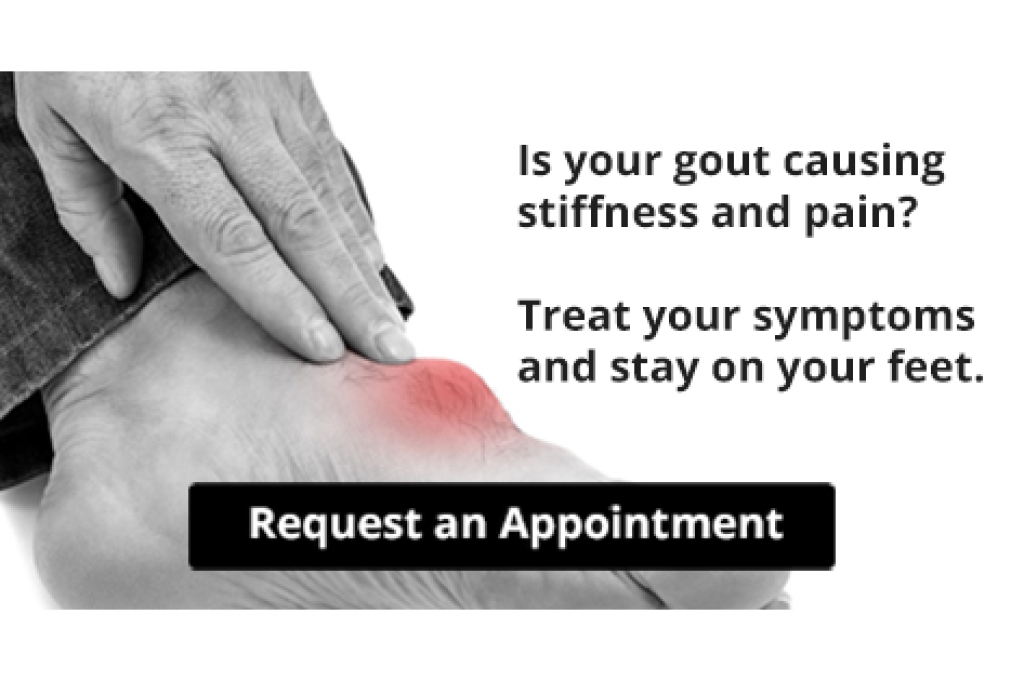
Gout Pain Can Be Managed

Gout is a painful, inflammatory form of arthritis. Those affected will typically feel an intense stiffness in the joints of their feet, particularly in the big toe. Schedule a visit to learn about how gout can be managed and treated.

Preventing Winter Sports Foot and Ankle Injuries

Winter sports offer excitement and exercise, but cold weather increases the risk of foot and ankle injuries. Cold temperatures can reduce muscle flexibility, slow reaction time, and decrease circulation, making ankles more prone to twists, sprains, and strains. Skiing often leads to injuries from falls, improper technique, or equipment that does not provide adequate support. Additionally, ice skating can cause foot and ankle pain if skates do not fit correctly, as tight or loose skates can alter balance and increase pressure on joints. A podiatrist can evaluate injuries, provide proper treatment, recommend supportive footwear or orthotics, and offer guidance on injury prevention techniques. If you participate in winter sports and have sustained a foot or ankle injury, it is suggested that you consult a podiatrist who offers effective treatment and prevention tips.

Sports related foot and ankle injuries require proper treatment before players can go back to their regular routines. For more information, contact our podiatrists of CNY Foot Surgery & Podiatry Care. Our doctors can provide the care you need to keep you pain-free and on your feet.

Sports Related Foot and Ankle Injuries

Foot and ankle injuries are a common occurrence when it comes to athletes of any sport. While many athletes dismiss the initial aches and pains, the truth is that ignoring potential foot and ankle injuries can lead to serious problems. As athletes continue to place pressure and strain the area further, a mild injury can turn into something as serious as a rupture and may lead to a permanent disability. There are many factors that contribute to sports related foot and ankle injuries, which include failure to warm up properly, not providing support or wearing bad footwear. Common injuries and conditions athletes face, including:

  • Plantar Fasciitis
  • Achilles Tendinitis
  • Achilles Tendon Rupture
  • Ankle Sprains

Sports related injuries are commonly treated using the RICE method. This includes rest, applying ice to the injured area, compression and elevating the ankle. More serious sprains and injuries may require surgery, which could include arthroscopic and reconstructive surgery. Rehabilitation and therapy may also be required in order to get any recovering athlete to become fully functional again. Any unusual aches and pains an athlete sustains must be evaluated by a licensed, reputable medical professional.

If you have any questions please contact our office located in East Syracuse, NY . We offer the newest diagnostic and treatment technologies for all your foot and ankle needs.

Read more about Sports Related Foot And Ankle Injuries
scroll to top