Like us on facebook Follow us on twitter Review us on google

Why a Professional Evaluation of a Broken Toe Is Important

A broken toe is a common foot injury that can occur after stubbing the toe, dropping a heavy object on the foot, or experiencing a direct impact during sports or other activities. Although some fractures are minor, others can affect the position and function of the toe. Common symptoms include pain, swelling, and bruising. Some people also notice difficulty walking or putting weight on the affected foot. In certain cases, the toe may appear crooked or become difficult to move. Because the symptoms of a broken toe can be similar to those of a severe sprain, a professional evaluation is important to determine the extent of the injury and recommend the most appropriate treatment.


A broken toe can affect more than the injured bone. Ongoing pain may change the way a person walks, placing additional stress on the rest of the foot. This altered movement can also increase strain on the ankle, knee, or hip. A thorough podiatry examination helps determine which toe is injured and whether the fracture extends into a nearby joint. Imaging studies, such as X-rays, may be recommended to confirm the diagnosis and evaluate bone alignment. Early diagnosis is important because untreated fractures may heal improperly and lead to lasting pain or reduced toe function.


A podiatrist specializes in diagnosing and treating broken toes while monitoring the healing process. Professional care focuses on restoring proper alignment, reducing discomfort, and helping the toe heal as expected. Treatment is tailored to each patient's injury and may be adjusted based on the severity of the fracture. Regular follow-up visits also allow healing to be monitored and any complications to be identified early. If you have toe pain, swelling, or difficulty walking after a foot injury, it is suggested that you consult a podiatrist for an evaluation and appropriate treatment options.

Broken toes may cause a lot of pain and should be treated as soon as possible. If you have any concerns about your feet, contact our podiatrists from CNY Foot Surgery & Podiatry Care. Our doctors will treat your foot and ankle needs.

What Is a Broken Toe?

A broken toe occurs when one or more of the toe bones of the foot are broken after an injury. Injuries such as stubbing your toe or dropping a heavy object on it may cause a toe fracture.

Symptoms of a Broken Toe

  • Swelling
  • Pain (with/without wearing shoes)
  • Stiffness
  • Nail Injury

Although the injured toe should be monitored daily, it is especially important to have a podiatrist look at your toe if you have severe symptoms. Some of these symptoms include worsening or new pain that is not relieved with medication, sores, redness, or open wounds near the toe.

If you have any questions please feel free to contact our office located in East Syracuse, NY . We offer the newest diagnostic tools and technology to treat your foot and ankle needs.

Read more about What to Know About a Broken Toe

Elderly Foot Care Tips for Better Mobility and Balance

Healthy feet play a major role in staying active and independent as people age. Natural changes in the feet can reduce cushioning, weaken muscles, and limit joint movement, making standing and walking less comfortable. Skin also becomes thinner and drier, while toenails can grow thicker and harder to trim. These changes raise the chance of pain, balance problems, and falls. Ignoring foot discomfort can also make everyday tasks more difficult. Regular visits with a podiatrist help detect concerns early and keep small problems from becoming larger ones longer. Supporting foot function improves confidence with every step.

Common foot conditions in older adults include bunions, hammertoes, and thick toenails. Arthritis can stiffen joints and change the way the foot moves, increasing pressure on certain areas. Poor circulation means reduced blood flow, which slows healing. Nerve damage, called neuropathy, reduces feeling in the feet and makes injuries easier to miss. A podiatrist carefully examines the feet, checks circulation and sensation, and treats painful nail and skin problems while recommending shoes with proper support. A podiatrist can then develop a treatment plan catered to your needs. Early evaluation also helps improve comfort, mobility, and everyday safety.

Prompt care can protect mobility and support a more active lifestyle. Foot pain should never be accepted as a normal part of getting older because effective treatment is available. A podiatrist can relieve painful pressure points, treat skin concerns, and recommend custom orthotics when they provide better support and comfort. Addressing problems early also lowers the risk of falls and helps people remain confident while walking, preserving independence and stability. If you have symptoms of elderly foot problems, it is suggested that you schedule an appointment with a podiatrist for a diagnosis and appropriate treatment.

If you need your feet checked, contact our podiatrists of CNY Foot Surgery & Podiatry Care. Our doctors will attend to all of your foot and ankle needs and provide you with quality treatment.

Geriatrics and Podiatry
When people age, some common issues that may occur are bone density loss, dry skin, poor circulation, and rough brittle nails. These issues may also affect your foot health if the necessary steps are not taken to alleviate the problems.

It is important to take care of your feet because feet that are injured or diseased can affect your overall health. Having painful feet hinders your ability to do daily activities or may decrease your willingness to do the things that you need to do.

Visiting Your Geriatrician
As we age, health problems become more likely, so it is essential to visit your doctor for check-ups to ensure that you are doing the best you can to take care of your health. It is recommended to check your feet frequently for any possible cuts, bruises, swelling, corns or any other irregularities. 

Taking Care of Elderly Feet
Cracked or dry feet can be treated by applying moisturizer often. It is also important not to wear old socks because the older the sock is, the higher the possibility there will be that there is bacteria there. Wear fresh socks and make sure they fit properly.

Proper foot health means that you can have a more active lifestyle and you will not be bogged down by pain. Foot health also leads to good circulation, which is paramount for overall health.

If you have any questions, please feel free to contact our office located in East Syracuse, NY . We offer the newest diagnostic and treatment technologies for all your foot care needs.

Read more about Elderly and their Feet

What Causes an Ingrown Toenail?

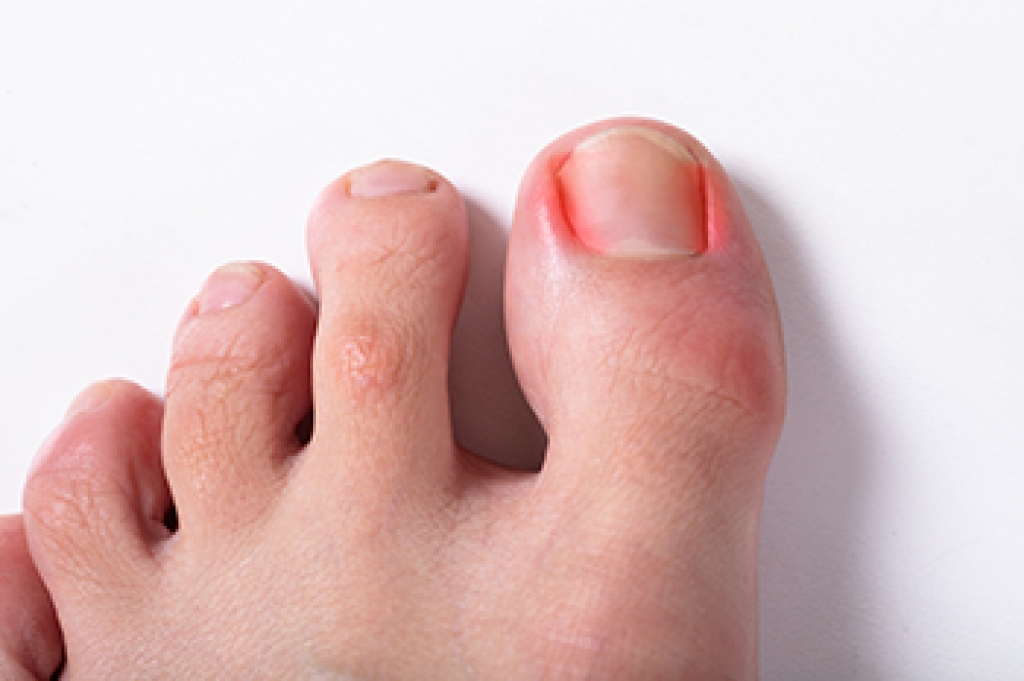
An ingrown toenail occurs when the edge of the toenail grows into the surrounding skin. This usually affects the big toe but can occur on any toe. As the nail presses into the skin, it can cause irritation, inflammation, and discomfort. Without proper care, an ingrown toenail may become more painful and increase the risk of infection. Understanding the causes and symptoms can help with early treatment and prevention.

Symptoms of an ingrown toenail include redness, swelling, and pain along the side of the nail. The affected area may feel sore when pressure is applied, especially when wearing shoes. In more advanced cases, the skin around the nail may become warm, irritated, or produce drainage if an infection develops. Some individuals may notice increased sensitivity while walking or standing. Recognizing these warning signs early can help prevent the condition from becoming more severe.


Several causes can contribute to the development of ingrown toenails. Wearing ill-fitting shoes that place pressure on the toes can force the nail into the surrounding skin. Improper nail trimming is another common cause, especially when toenails are cut too short or rounded at the edges. Other contributing factors include toe injuries, naturally curved toenails, and repeated pressure from activities that stress the feet. These factors can change how the nail grows and increase irritation.


Risk factors for ingrown toenails include wearing tight footwear, participating in activities that involve repeated pressure on the toes, and having a family history of curved toenails. Individuals with diabetes or circulation concerns may face a higher risk of complications if an ingrown toenail becomes infected. Proper nail care, comfortable shoes, and regular foot checks can help reduce the chance of developing this condition. If you have signs of an ingrown toenail, it is suggested that you consult a podiatrist for effective relief and treatment solutions, which may include minor surgery.

Ingrown toenails can become painful if they are not treated properly. For more information about ingrown toenails, contact our podiatrists of CNY Foot Surgery & Podiatry Care. Our doctors can provide the care you need to keep you pain-free and on your feet.

Ingrown Toenails

Ingrown toenails occur when a toenail grows sideways into the bed of the nail, causing pain, swelling, and possibly infection.

Causes

  • Bacterial infections
  • Improper nail cutting such as cutting it too short or not straight across
  • Trauma to the toe, such as stubbing, which causes the nail to grow back irregularly
  • Ill-fitting shoes that bunch the toes too close together
  • Genetic predisposition

Prevention

Wearing proper fitting shoes and using proper cutting techniques will also help decrease your risk of developing ingrown toenails.

Treatment

Ingrown toenails are a very treatable foot condition. In minor cases, soaking the affected area in salt or antibacterial soaps will not only help with the ingrown nail itself, but also help prevent any infections from occurring. In more severe cases, surgery is an option. In either case, speaking to your podiatrist about this condition will help you get a better understanding of specific treatment options that are right for you.

If you have any questions, please feel free to contact our office located in East Syracuse, NY . We offer the newest diagnostic and treatment technologies for all your foot care needs.

Read more about Ingrown Toenail Care

Heel Pain Can Be Treated!

Do you suffer from heel pain when you get up in the morning? If so, you should seek professional help and have a proper diagnosis performed. Heel pain can be caused by several different foot-related conditions.

Athlete’s Foot Identification

Athlete’s foot is a fungal skin infection that commonly affects the feet, especially the spaces between the toes. It develops when fungi grow in warm, moist environments and spread across the outer layer of skin. This condition is contagious and can be transmitted through shared surfaces such as locker rooms and showers. In some cases, small bumps may appear along with other skin changes, which can make the infection more noticeable. Understanding how to identify athlete’s foot early can help prevent progression and reduce discomfort.


Symptoms of athlete’s foot often include itching, burning, and irritation of the skin. The affected area may appear red, flaky, or cracked, particularly between the toes. Some individuals develop small fluid-filled bumps that may cause additional sensitivity. The skin can become soft or soggy due to excess moisture, and an unpleasant odor may also be present. These symptoms may worsen with continued exposure to damp conditions or tight footwear.


Several causes contribute to the development of athlete’s foot. Fungi thrive in consistently warm and damp environments, making sweaty feet and enclosed shoes a common factor. Walking barefoot in public areas increases exposure to infectious organisms. Additional contributing factors include minor skin injuries and poor hygiene habits. Individuals with a weakened immune system, a genetic predisposition, or poor circulation may be more vulnerable to infection and slower healing.


Risk factors include frequent use of communal facilities, prolonged moisture exposure, and wearing non-breathable shoes. People who experience excessive sweating or have underlying health conditions may face increased risk. Identifying athlete’s foot involves recognizing persistent itching, peeling skin, and the presence of bumps or irritation in typical areas. Early treatment and proper foot care can prevent spread and recurrence. If you have athlete’s foot or related bumps, it is suggested that you consult a podiatrist for effective relief and treatment solutions, which  may include prescribed medication.

Athlete’s Foot

Athlete’s foot is often an uncomfortable condition to experience. Thankfully, podiatrists specialize in treating athlete’s foot and offer the best treatment options. If you have any questions about athlete’s foot, consult with our podiatrists from CNY Foot Surgery & Podiatry Care. Our doctors will assess your condition and provide you with quality treatment.

What Is Athlete’s Foot?

Tinea pedis, more commonly known as athlete’s foot, is a non-serious and common fungal infection of the foot. Athlete’s foot is contagious and can be contracted by touching someone who has it or infected surfaces. The most common places contaminated by it are public showers, locker rooms, and swimming pools. Once contracted, it grows on feet that are left inside moist, dark, and warm shoes and socks.

Prevention

The most effective ways to prevent athlete’s foot include:

  • Thoroughly washing and drying feet
  • Avoid going barefoot in locker rooms and public showers
  • Using shower shoes in public showers
  • Wearing socks that allow the feet to breathe
  • Changing socks and shoes frequently if you sweat a lot

Symptoms

Athlete’s foot initially occurs as a rash between the toes. However, if left undiagnosed, it can spread to the sides and bottom of the feet, toenails, and if touched by hand, the hands themselves. Symptoms include:

  • Redness
  • Burning
  • Itching
  • Scaly and peeling skin

Diagnosis and Treatment

Diagnosis is quick and easy. Skin samples will be taken and either viewed under a microscope or sent to a lab for testing. Sometimes, a podiatrist can diagnose it based on simply looking at it. Once confirmed, treatment options include oral and topical antifungal medications.

If you have any questions, please feel free to contact our office located in East Syracuse, NY . We offer the newest diagnostic and treatment technologies for all your foot care needs.

Read more about How to Deal with Athlete's Foot
scroll to top